Number of Aircraft by Country: A Global Overview
As the world's air travel demands continue to grow, the number of aircraft by country has become a significant indicator of a nation's airpower and economic strength. With various countries investing heavily in their military and commercial aviation sectors, the global aircraft fleet is expected to expand in the coming years. According to recent statistics, the size of aircraft fleets by region worldwide is a telling sign of the shifting balance of power in the skies. For instance, a snapshot of the  highlights the current state of military airpower around the globe.
Context and Trends
The aviation industry is a complex and dynamic sector, with various factors influencing the number of aircraft by country. These include economic growth, geographical location, and strategic military interests. As the global economy continues to evolve, emerging nations are increasingly investing in their aviation infrastructure, leading to a surge in the number of aircraft in their fleets. This trend is evident in the projected  , which forecasts significant changes in the global aircraft fleet landscape.
Furthermore, the number of aircraft by country is also influenced by technological advancements and shifting global alliances. As countries strive to maintain their competitive edge, they are compelled to modernize their aircraft fleets, incorporating cutting-edge technology and innovative designs. This has led to the development of more efficient, sustainable, and lethal aircraft, capable of performing a wide range of missions and operations.
Details and Implications
A closer examination of the number of aircraft by country reveals significant disparities between nations. Some countries, such as the United States, China, and Russia, boast extensive aircraft fleets, comprising both military and commercial aircraft. These nations have invested heavily in their aviation sectors, recognizing the strategic importance of airpower in maintaining their global influence and economic dominance.
In contrast, smaller nations often struggle to maintain a viable aircraft fleet, due to limited resources and competing priorities. However, these countries can still play a crucial role in regional air travel and security, particularly if they form strategic alliances and partnerships with other nations. By pooling their resources and expertise, smaller countries can enhance their airpower capabilities, contributing to a more stable and secure global aviation environment.
Selection Criteria and Use Cases
When evaluating the number of aircraft by country, several factors come into play. These include the type and purpose of the aircraft, as well as the nation's economic, geographical, and strategic considerations. For instance, a country with a large territory and limited road infrastructure may prioritize the development of its commercial aircraft fleet, focusing on cargo and passenger transport. In contrast, a nation with significant military ambitions may focus on building a robust fighter jet fleet, capable of projecting airpower across the globe.
Understanding these selection criteria and use cases is essential for policymakers, aviation industry professionals, and researchers seeking to analyze the complex dynamics of the global aircraft fleet. By examining the number of aircraft by country and the underlying factors influencing these numbers, stakeholders can gain valuable insights into the shifting balance of power in the skies and the implications for global security, economy, and trade.
Top 10 Countries In Terms Of Active "combat Aircraft" Strength. These

Top 10 countries in terms of active "combat aircraft" strength. These ...
How Times Have Changed - Russia Has Over 20,000 Tanks, The UK Has 249

How Times Have Changed - Russia Has over 20,000 Tanks, the UK Has 249 ...
Military Aircraft Numbers
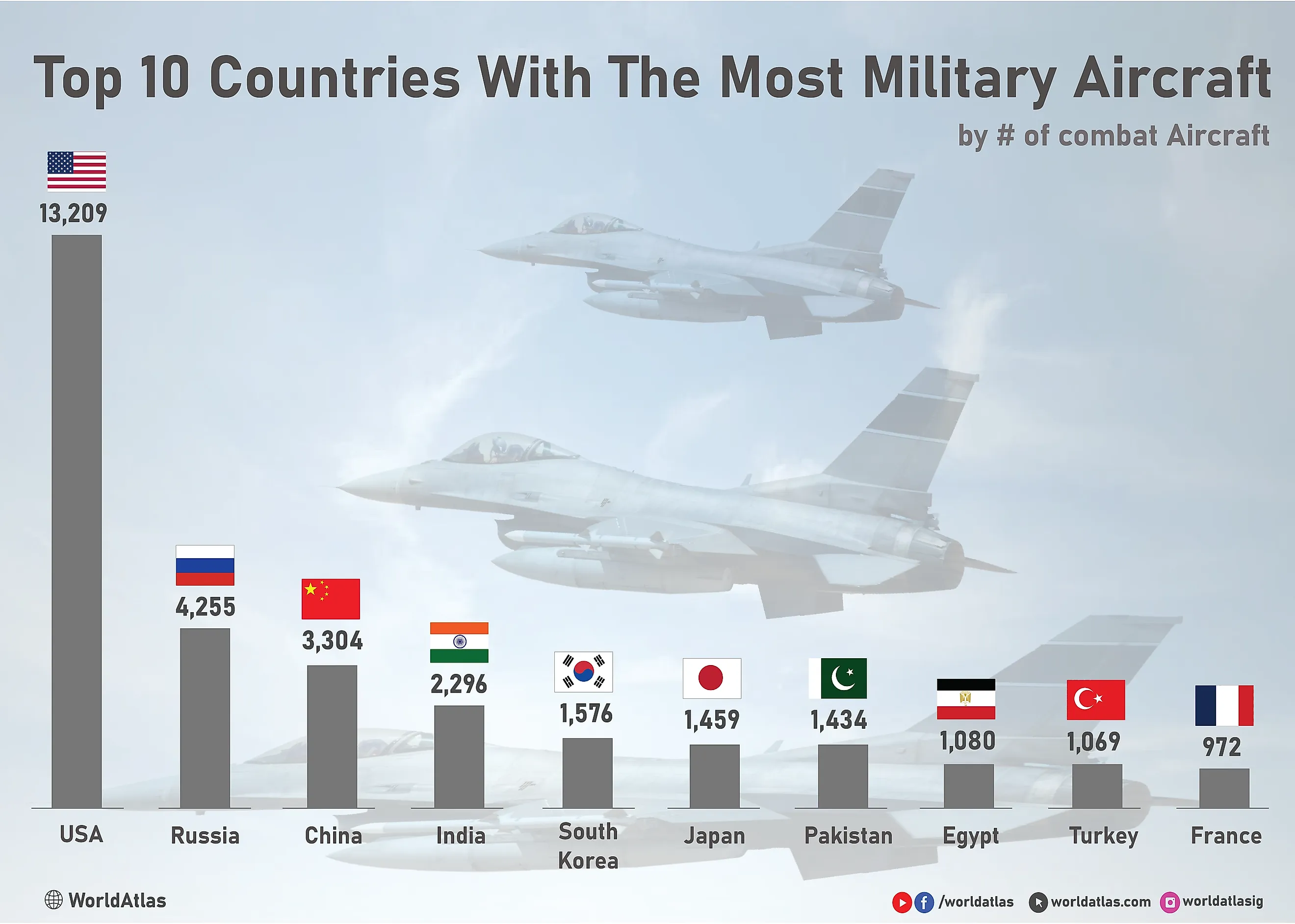
Military Aircraft Numbers